- July 9 2026
- admin
Being a landlord in the UK is sort of more than just grabbing the rent, and keep, the property in good shape. You’re also got a legal duty to offer a safe, compliant home for your tenants, not only in theory but in practice. And since the rules and requirements keep evolving, it helps to stay clued-up, because it can stop you running into penalties, lowers your overall exposure, and honestly supports better, more cordial dealings with your tenants over time.
Why UK Landlord Compliance Matters in 2026
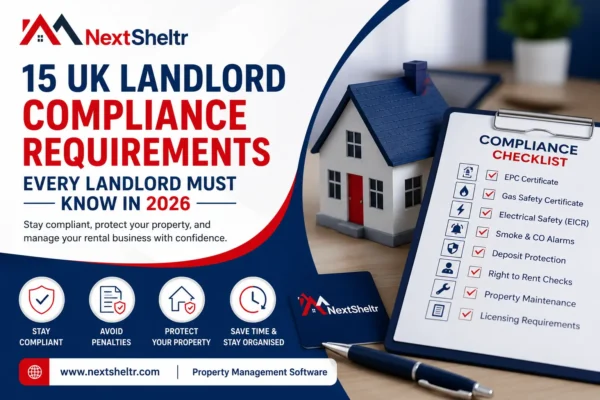
Whether you’re managing a single buy-to-let property or a growing portfolio, this guide outlines the 15 UK landlord compliance requirements every landlord should know in 2026.
1. Ensure Your Property Has a Valid EPC
Every rental property must have a valid Energy Performance Certificate (EPC) before it is marketed or rented. A valid EPC helps tenants understand the property’s energy efficiency and confirms that minimum legal standards are met.
2. Arrange an Annual Gas Safety Inspection
If your property has gas appliances, an annual inspection by a Gas Safe registered engineer is required. Always provide tenants with the latest Gas Safety Certificate before they move in or after each annual inspection.
3. Keep Your Electrical Installation Safe
An Electrical Installation Condition Report (EICR) should be carried out at least every five years by a qualified electrician. Address any issues identified in the report promptly to maintain a safe living environment.
4. Install Smoke and Carbon Monoxide Alarms
Smoke alarms should be placed on every level of the place, while carbon monoxide alarms are needed in rooms that include built-in combustion appliances where it applies. Make sure you test all of them before a new tenancy actually starts.
5. Protect Tenant Deposits Correctly
If you take a tenancy deposit, then it has to be kept in an approved tenancy deposit protection scheme, within the legal timeframe. Also, giving the right details to the tenants is just as important, and yes, it needs to happen properly as well.
6. Complete Right to Rent Checks
In England, landlords really should make sure prospective tenants have the legal right to rent before the tenancy even starts, and then , keep copies of the relevant documents on file as part of your records.
7. Provide a Safe and Habitable Home
Rental properties should be free from serious hazards and maintained in good condition throughout the tenancy. Heating, plumbing, sanitation, and structural elements should remain safe and functional.
8. Meet Fire Safety Requirements
Ensure fire safety measures are in place, especially for Houses in Multiple Occupation (HMOs). Fire doors, emergency exits, smoke alarms, and fire detection systems should be maintained where required.
9. Check Local Licensing Requirements
Some local councils require landlords to obtain selective, additional, or HMO licences. Before renting your property, check whether licensing applies in your area.
10. Keep Accurate Property Records
Keeping track of things in an organized way makes compliance a lot less painful. Put away your tenancy agreements, inspection reports, maintenance history, certificates , and any other key papers securely, so they re easy to grab whenever they are needed.
11. Respond Quickly to Repairs
Landlords have a legal responsibility to make the necessary repairs in a reasonable timeframe, like you know soon enough. Taking prompt action can really help guard tenants, it also keeps the property in better shape and generally makes it less likely that a small issue turns into a bigger expense later on.
12. Protect Tenant Information
Tenant data should be kept securely, and handled responsibly. Whether you store it in digital form or have paper records around, protecting personal information matters a lot as part of responsible property management.
13. Provide Essential Tenancy Documents
Tenants should receive all required documents before or at the start of their tenancy. Keeping these documents organized also makes future renewals and inspections much simpler.
14. Carry Out Regular Property Inspections
Routine inspections help identify maintenance issues early, ensure tenants are caring for the property, and reduce the risk of unexpected repair costs. Keeping written records of inspections is also good practice.
15. Stay Updated with UK Landlord Regulations
Property legislation changes regularly. Reviewing official guidance and keeping your compliance processes up to date will help you avoid unnecessary legal issues and continue managing your properties with confidence.
Simplify Compliance with Nextsheltr
Keeping track of certificates, inspection dates, tenancy documents, maintenance records, and those important deadlines can get a bit messy once your portfolio starts to grow. Nextsheltr gives UK landlords a single central platform to organize property information, store those essential documents, keep an eye on maintenance tasks, and handle tenant records more efficiently. When it is all in one place it feels easier to remain on top of things, and it also tends to cut down the admin workload for everyday property management.
Landlord compliance isn’t only about ticking legal boxes , or whatever the paperwork says. It’s more about protecting your investment, and also giving tenants a safe, well run home. If you keep to these 15 compliance requirements, and you review your responsibilities regularly, you can reduce exposure, make day to day things run smoother , and remain ready for changes in UK property rules.
Whether you’re a first-time landlord or you’ve been investing in property for a while, taking a proactive path to compliance will end up saving you time and keeping your rental business running with a little more confidence, even when things get messy. If you line up the right routines and use dependable property management tools like Nextsheltr, staying compliant in 2026 turns into something more simple, more organized, and honestly, way less stressful than you might expect.
Frequently Asked Questions
Most UK landlords need a valid Energy Performance Certificate (EPC), an annual Gas Safety Certificate where gas appliances are present, an Electrical Installation Condition Report (EICR), and working smoke and carbon monoxide alarms where required. Local licensing rules may also apply depending on your property and council.
Compliance documents have different renewal periods. Gas Safety Certificates are typically renewed every year, while an EICR is generally required every five years unless advised otherwise. Always monitor expiry dates to remain compliant.
Yes. Landlords must protect eligible tenant deposits in a government-approved tenancy deposit protection scheme within the required legal timeframe and provide tenants with the prescribed information.
Yes. Property management software like NextSheltr helps landlords organise compliance documents, tenancy records, maintenance history, inspection reports, and important renewal dates in one secure location, making day-to-day property management much easier.
Failing to meet landlord compliance obligations can result in financial penalties, legal action, difficulties regaining possession of a property, and potential risks to tenant safety. Keeping accurate records and reviewing legal responsibilities regularly helps reduce these risks.