- July 14 2026
- admin
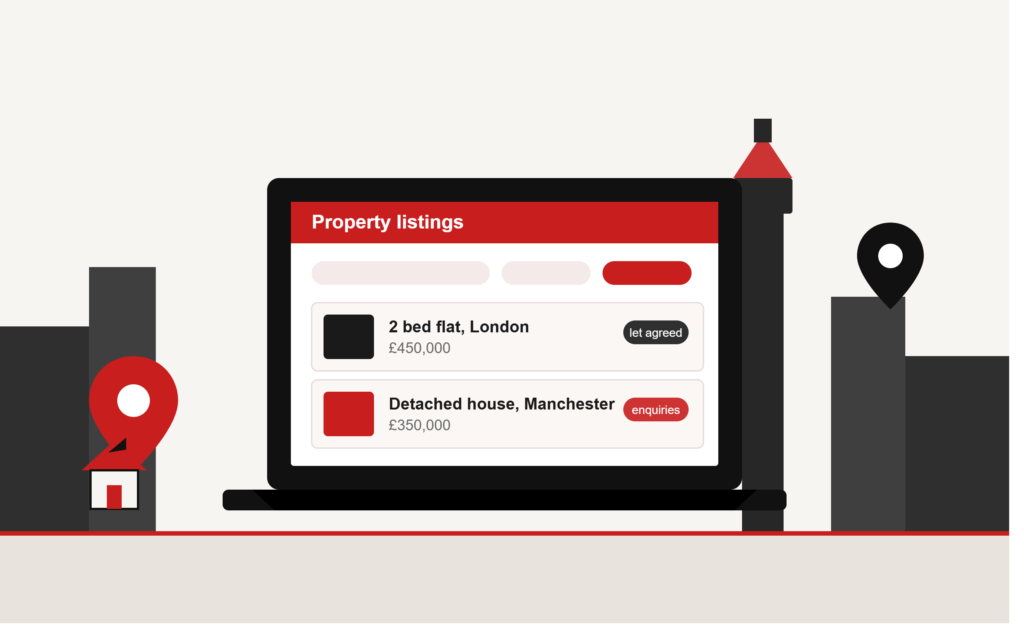
If you’ve started looking into estate agency software , chances are you’re already past the “do we need this?” stage. You’ve probably got a negotiator missing a follow-up, a listing that went stale on Rightmove because nobody updated it, or a Friday afternoon spent chasing down which offer was actually accepted. That’s usually what gets agencies searching in the first place, not curiosity.
So instead of the usual rundown of features every provider lists, let’s talk about what actually matters when you’re choosing estate agency software UK agencies can rely on long after the sales call is over.
The real problem software is solving
Most agencies don’t fail because they’re bad at selling property. They fail or stall because the admin around the sale eats into the time that should go toward the next viewing, the next call, the next deal.
It’s a familiar pattern: someone’s running the whole operation out of their inbox and a spreadsheet that only they fully understand. It works, until it doesn’t usually right when the agency starts growing and a second or third person needs visibility into what’s going on.
That’s really what estate agency software is for. Everyone on the team seeing the same information, at the same time, without three phone calls to confirm it.
What it should actually do for you
Strip away the marketing language and a decent platform needs to cover:
- Keeping listings in sync with the portals you actually use, without manual re-entry every time something changes
- A clear record of every enquiry who reached out, when, and what happened next
- Somewhere to book and track viewings that doesn’t rely on someone’s memory
- A visible trail of offers and negotiations, so nobody’s asking “wait, did we agree to that?”
- Basic reporting, so you know which listings and which team members are actually performing
Estate agency software vs. just using a general CRM
Worth addressing directly, since it comes up: yes, you could run an agency on a general-purpose CRM or even a well-built spreadsheet system. Some smaller agencies do, and it’s not the end of the world.
The tradeoff is time. A general CRM doesn’t come with a concept of a “viewing” or an “offer” you’d end up building that structure yourself. Property-specific software already has it built in, along with the portal integrations, which usually means being properly set up in a week rather than a few months of tinkering.
On pricing because everyone wants to know
There’s no single answer here, and honestly, be a bit wary of any provider that gives you a number before understanding your team size and how you work. Most UK platforms price per user or in tiers based on features, and reputable ones will let you try before you commit a proper demo, not just a sales deck.
If a provider won’t show you the actual product before asking for a card number, that’s worth noting.
A few things worth checking before you sign up
Ask to see it running with data in it, not an empty demo account : An empty CRM looks tidy. A CRM with 40 live listings and a busy pipeline tells you how it actually feels to use day-to-day.
Check the portal sync is genuinely two-way and near-instant : Some platforms sync on a delay, which defeats a lot of the purpose if a property goes under offer and still shows as available an hour later.
Talk to someone at the company, not just a chatbot : How a provider handles a real question during the sales process is a decent preview of what support looks like after you’ve signed.
Ask what happens if you want to leave :
Ask what happens if you want to leave. Not because you’re planning to, but because how a company answers this tells you a lot about how they think about the relationship.
Worth mentioning too: UK agencies have real compliance obligations around things like Right to Rent checks, separate from anything software can do for you. Good platforms make it easier to keep records organised, but they don’t replace knowing the rules.
FAQs
- Is estate agency software the same as property management software?
Not quite, though there’s overlap. Estate agency software is generally built around the sales and lettings process listings, leads, viewings, deals. Property management software is more about what happens after, managing an ongoing tenancy, rent, maintenance requests. Some platforms, NextSheltr included, cover both, which is worth asking about if you handle lettings alongside sales - We’re a small agency is this overkill for us?
Usually the opposite. Smaller teams tend to feel the benefit fastest, mainly because there’s no dedicated admin person to absorb the manual work. It’s often the two-to-five person agencies that see the biggest day-to-day difference. - How long does it actually take to get set up?
Depends on the platform and how much historical data you’re migrating, but for most small-to-mid agencies it’s days, not months assuming the provider has decent onboarding support. - Will my team actually use it, or will it end up like the last tool we tried?
Fair question, and honestly the answer usually comes down to how much it changes people’s existing habits. If the software forces negotiators to work in a completely different way than they’re used to, adoption tends to stall. The platforms that stick are the ones that fit into how the team already works, rather than asking everyone to relearn their job. - What happens to our listing and client data if we switch providers later?
This is worth asking upfront rather than after you’ve signed up. A reasonable provider should be able to export your data in a usable format spreadsheets, CSV, whatever works without making it difficult. If a company is vague about this during the sales process, that’s usually a sign to dig further before committing.